
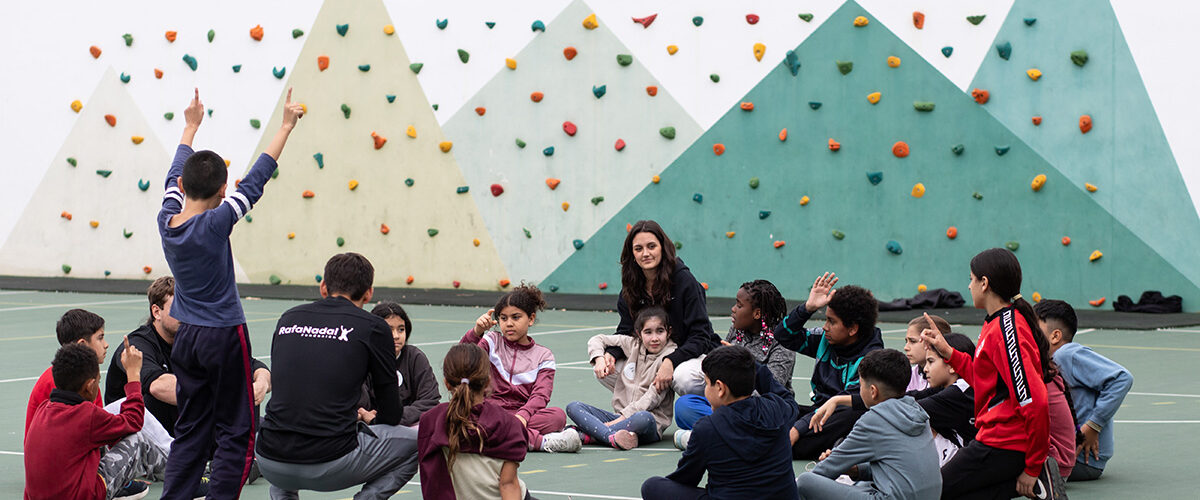
In childhood and adolescence, every interaction matters. Every word, every gesture, and every experience contribute to shaping how children and adolescents perceive themselves and understand the world around them. In this context, the figure of a role model becomes essential: not only as a guide, but as someone who accompanies them throughout their holistic development.
A role model is not simply someone who teaches; it is someone who inspires, listens, guides, and is present at key moments. It is that person who, through closeness and example, helps build confidence, security, and motivation. For many young people, especially those in vulnerable situations, having positive role models can make a decisive difference in their personal, educational, and social development.
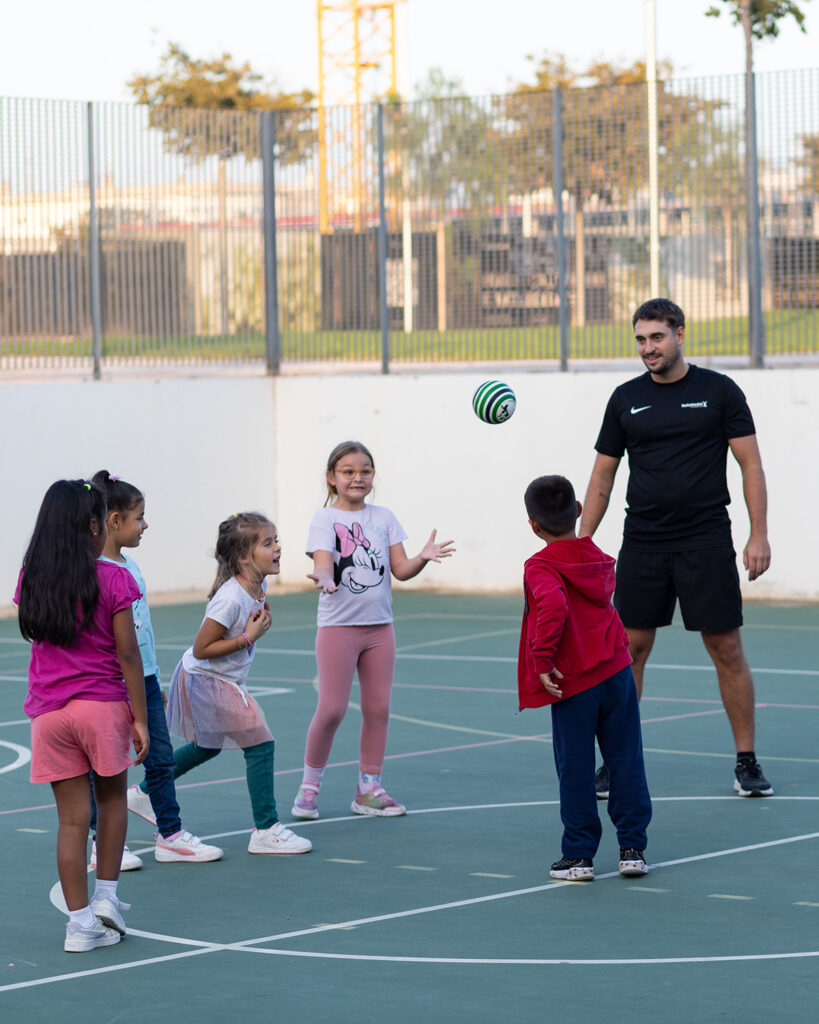
The responsibility of being a role model
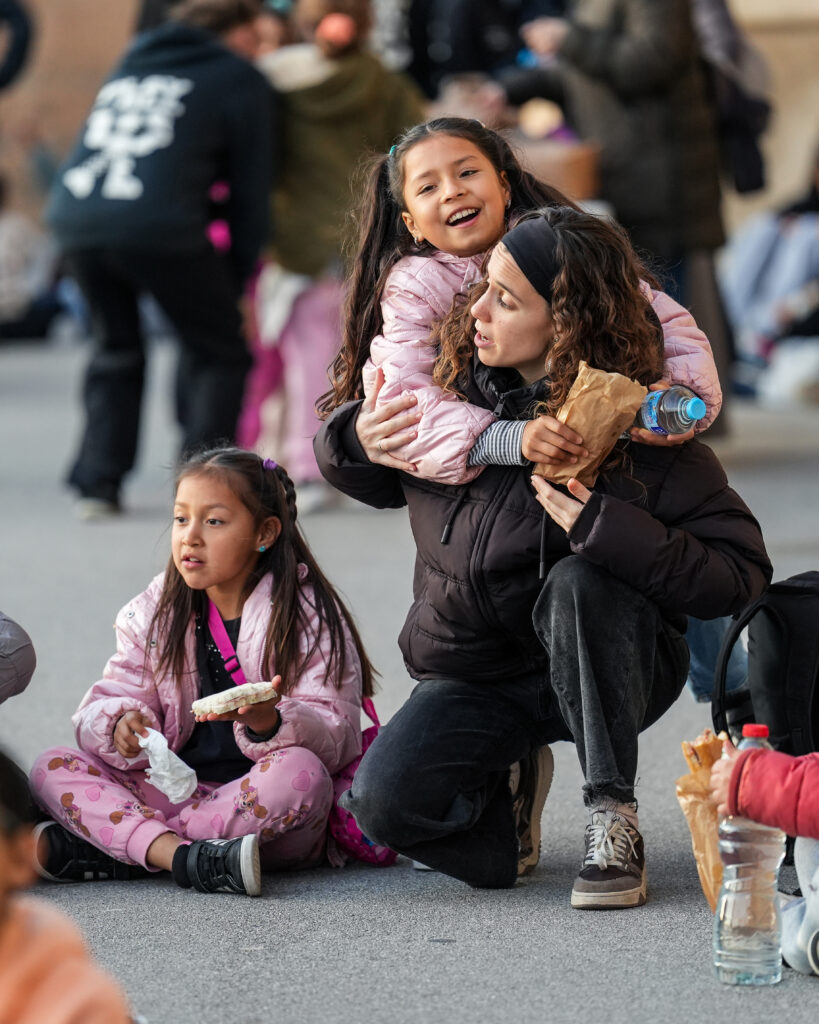
Being a role model for children carries great responsibility. It is not only about transmitting knowledge or leading activities, but about actively taking on a role in the protection, care, and emotional support of each child. Professionals working with children have a direct impact on their present well-being and on the opportunities they will be able to build for their future.
For this reason, this role requires commitment, sensitivity, and a conscious attitude in every interaction. It means understanding that children observe, imitate, and learn not only from what is said, but from how things are done. Consistency, empathy, respect, and active listening thus become essential tools in daily practice.
The role of professional teams
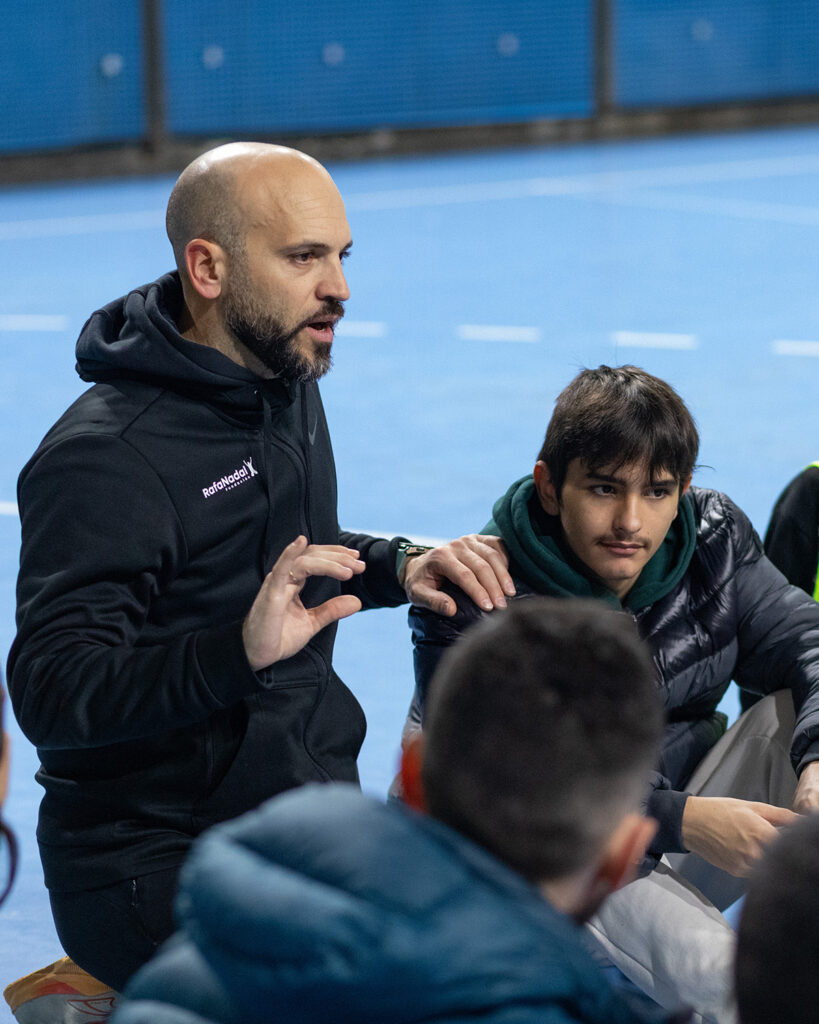
At the Rafa Nadal Foundation Centres in Palma, Valencia, and Madrid, professional teams carry out this role with dedication and responsibility. Continuously trained and driven by a strong social vocation, they work across different areas—sport, education, and psychosocial support—bringing a comprehensive approach to each child’s development.
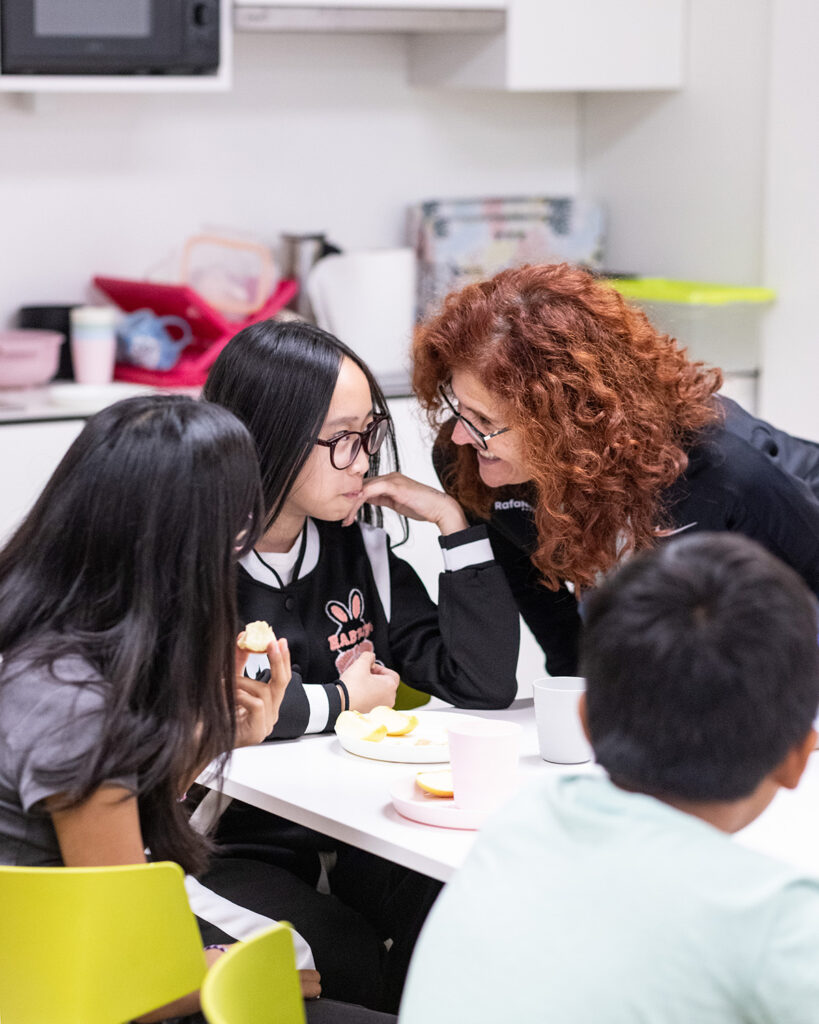
Each professional contributes from their field to support children not only in acquiring skills, but also in building values, strengthening self-esteem, and developing personal and social competencies. In addition, this support extends to families, understanding that the family environment is key in the educational process.
The team’s commitment is based on fundamental qualities such as professionalism, rigor, flexibility, closeness, and kindness. All of this is always grounded in respect for childhood and a clear awareness of the importance of their role as role models.
Furthermore, all professionals are familiar with and apply the Foundation’s child protection protocol, an essential framework to ensure safe environments free from any form of violence against children.
Role models in sport and education
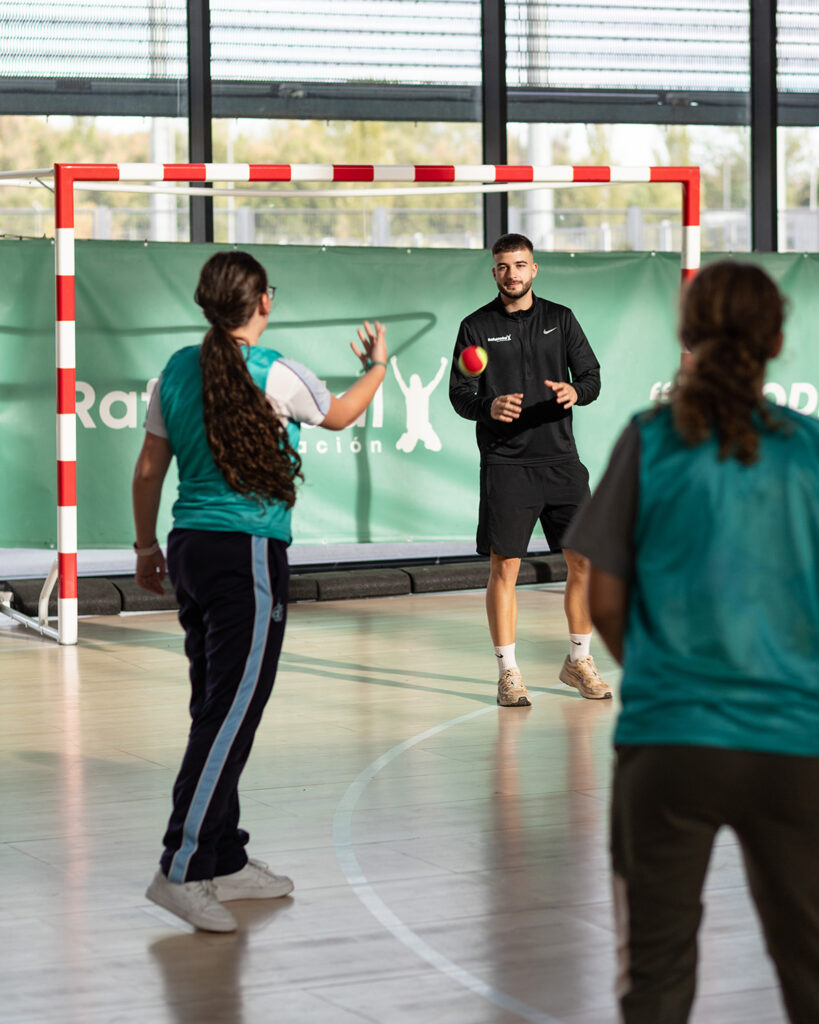
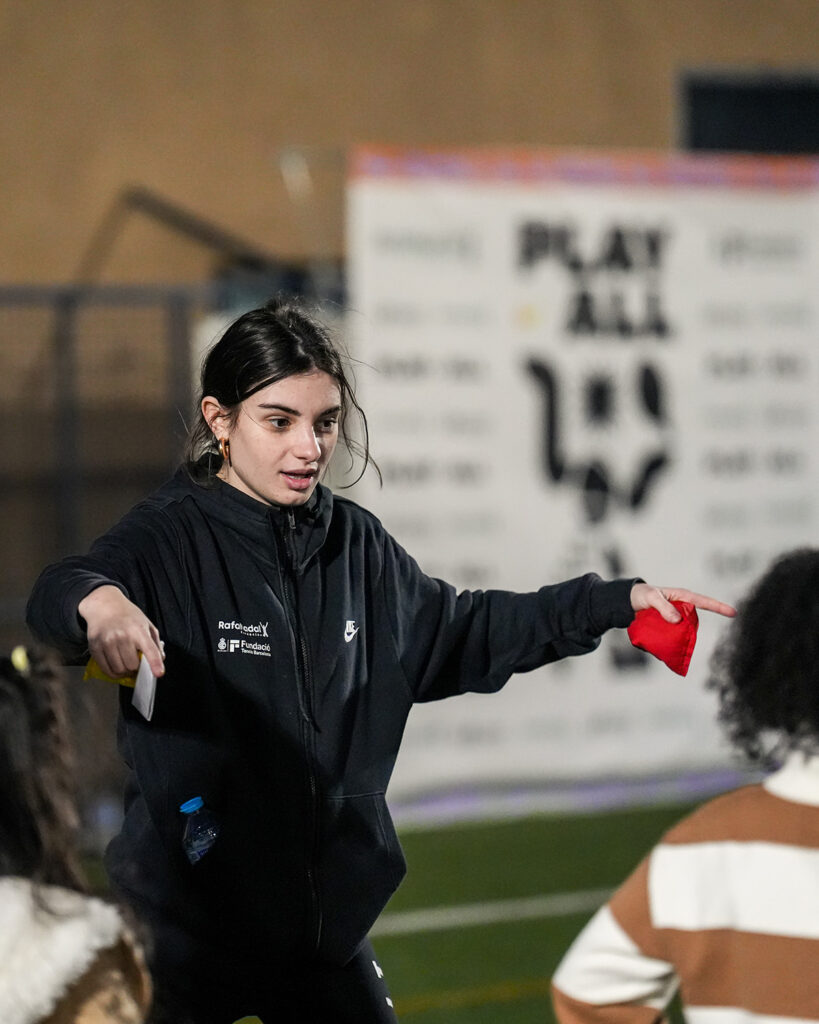
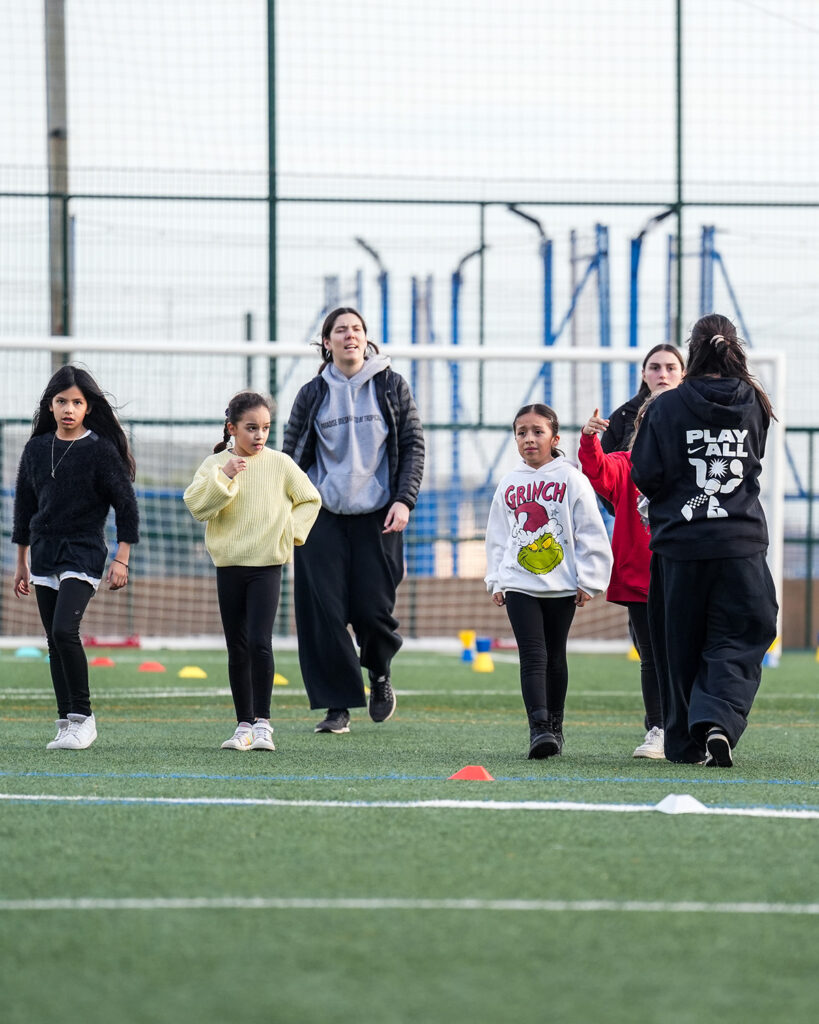
In initiatives such as Play All, coaches support different schools in Barcelona, using sport as an educational tool. Through tennis training and other sporting activities, values such as effort, discipline, teamwork, perseverance, and respect are fostered. In this environment, coaches not only teach technique but also become role models who positively influence children’s attitudes and behaviors.
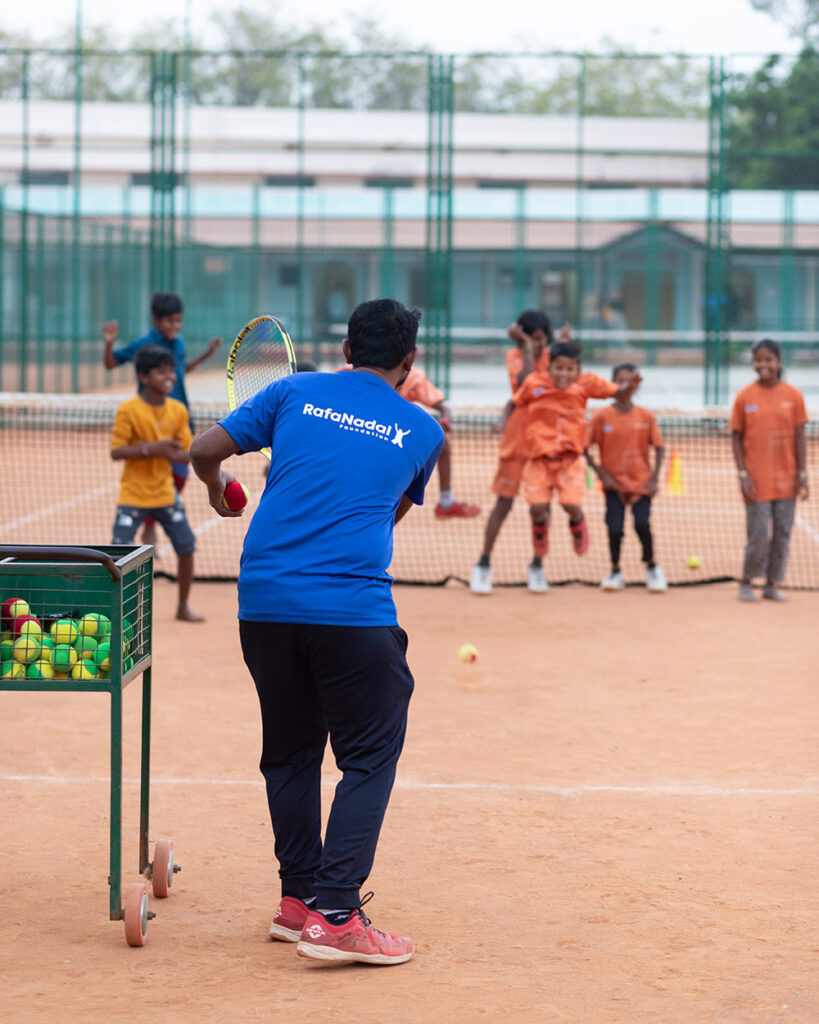
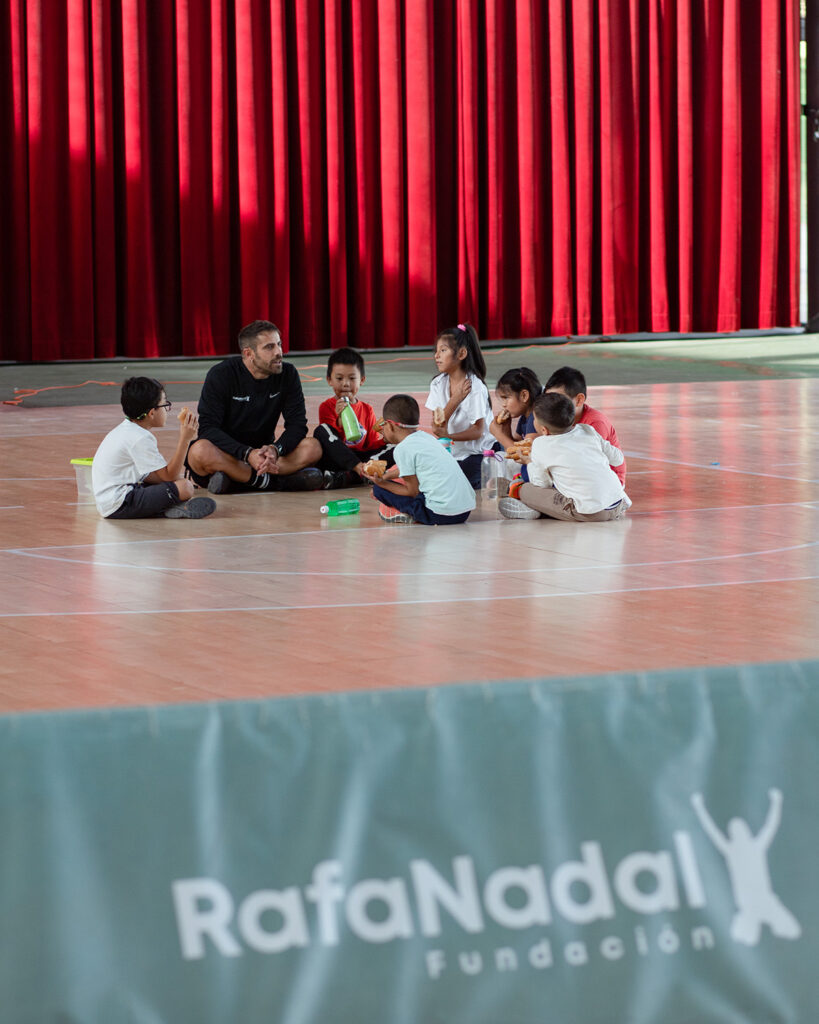
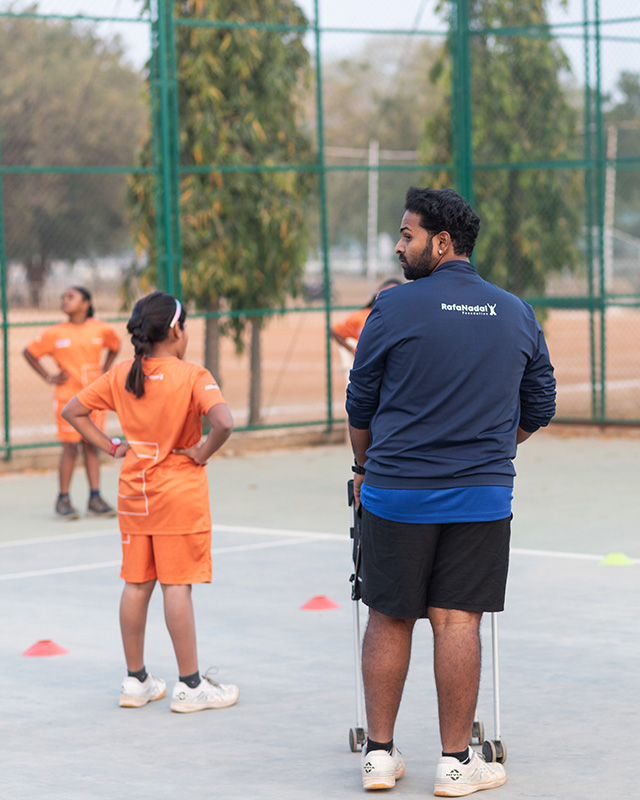
In the NETS project in India, the team works daily with children through tennis training, English classes, and computer literacy sessions. In many cases, professionals become close figures—almost like older siblings—who accompany, guide, and serve as constant examples. This close bond strengthens trust and creates a meaningful learning environment.
A particularly valuable aspect of this project is that many of the people who are now part of the team were once beneficiaries themselves. Others, even after pursuing their professional paths elsewhere, return to visit the children, continuing to embody that role model figure over time. This cycle reinforces the positive impact of the project and demonstrates the strength of the bonds created.
Benefits of having positive role models
The presence of appropriate role models in childhood and adolescence brings multiple benefits:
- Development of self-esteem: Children feel valued and recognized, strengthening their confidence.
- Improved social behavior: They learn norms, values, and healthy ways of relating to others.
- Greater motivation and commitment: A role model inspires effort and perseverance in the face of challenges.
- Guidance in decision-making: They help children reflect and choose more appropriate paths for their development.
- Creation of safe environments: The presence of responsible adults fosters trust and spaces where children can express themselves freely.
- Reduced risk situations: Positive role models act as protective factors in vulnerable contexts.
- Encouragement of aspirations and goals: They inspire children to imagine and build a future with greater opportunities.
A necessary acknowledgment
The work of professionals who accompany children goes far beyond a job: it is a social responsibility with a significant impact. Every day, through their commitment, dedication, and humanity, they help create safe, educational, and enriching environments for children.
From the Foundation, we would like to express our sincere gratitude to all the teams who, across different contexts and projects, serve as positive role models. Their role is essential not only in children’s present, but also in the future they are helping to build.