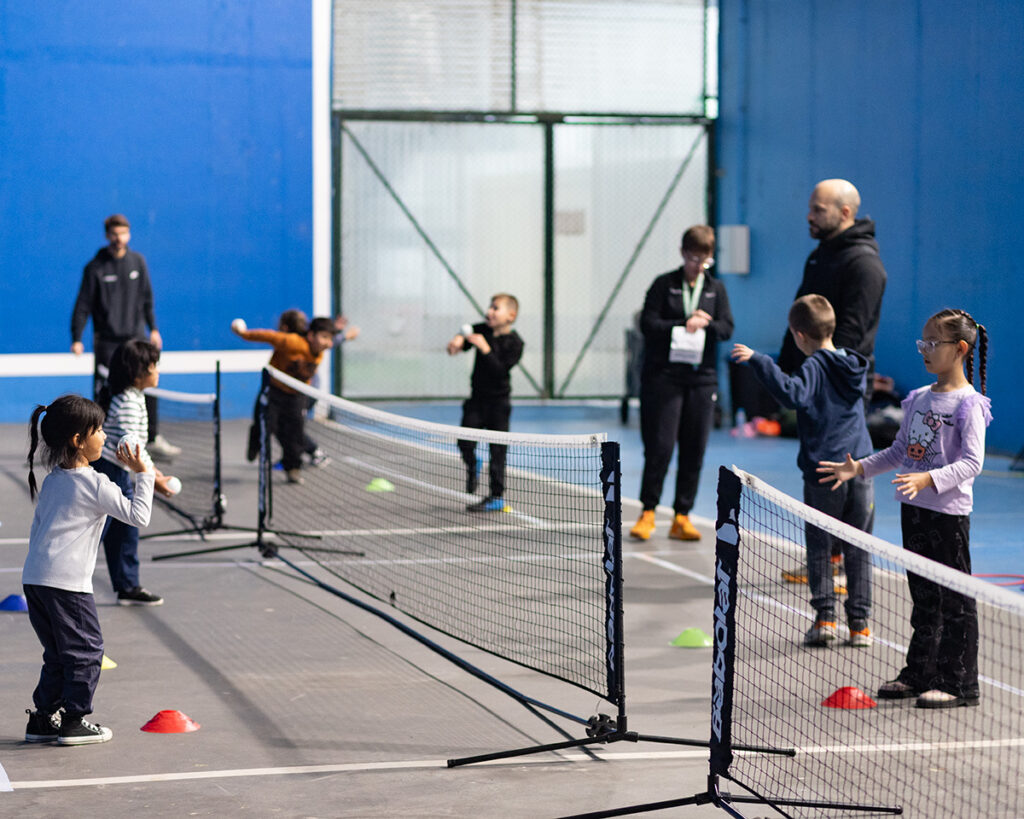
At the Centres of the Fundación Rafa Nadal, we continue to introduce sports initiatives that motivate children and teenagers and enrich their daily experience. One of the latest additions is pickleball, a dynamic, accessible and highly engaging sport that has quickly become one of their favourite activities.
What is pickleball?
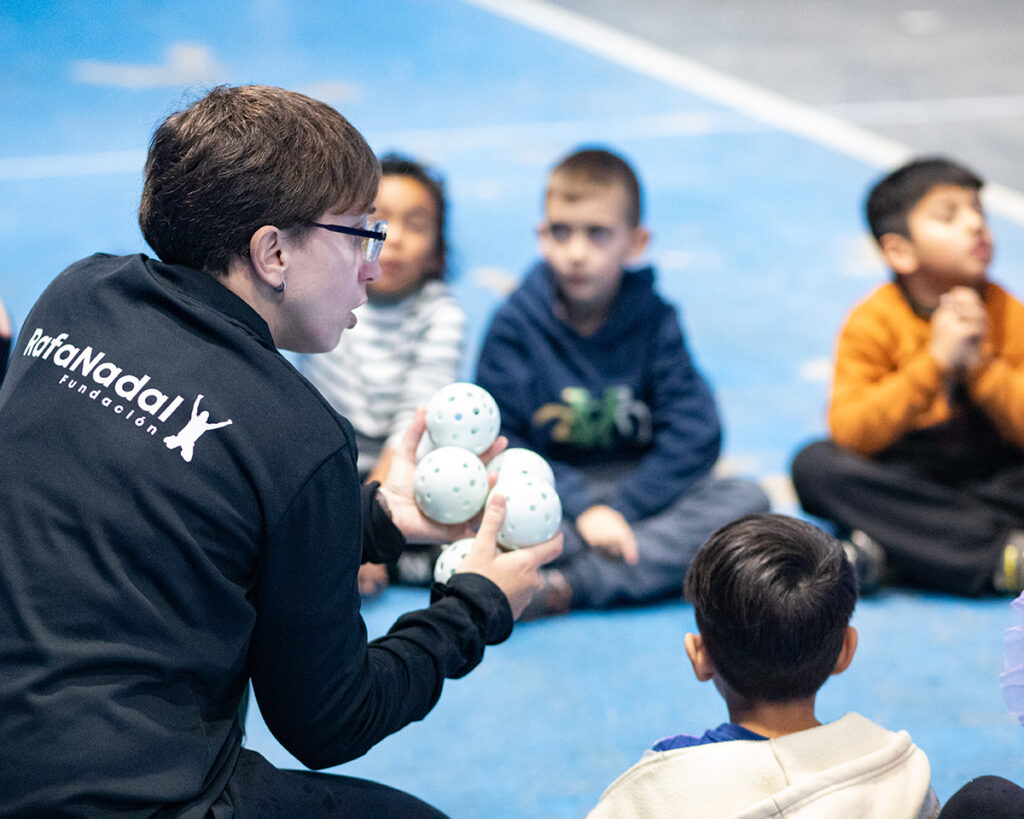
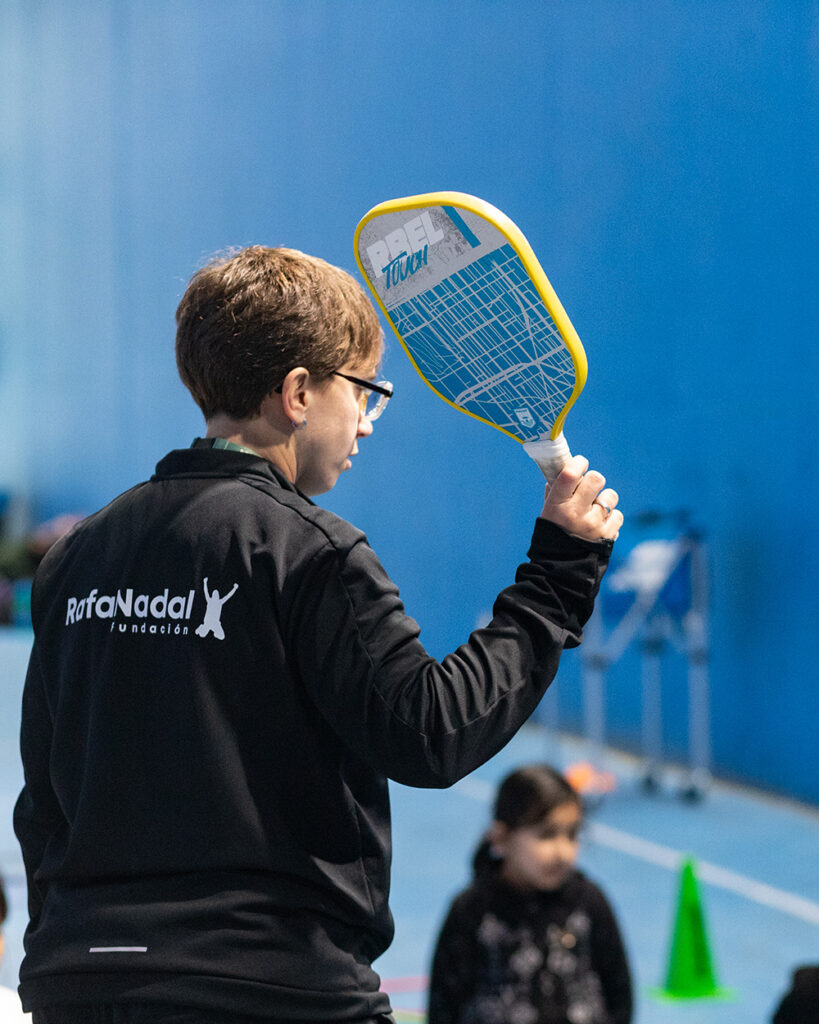
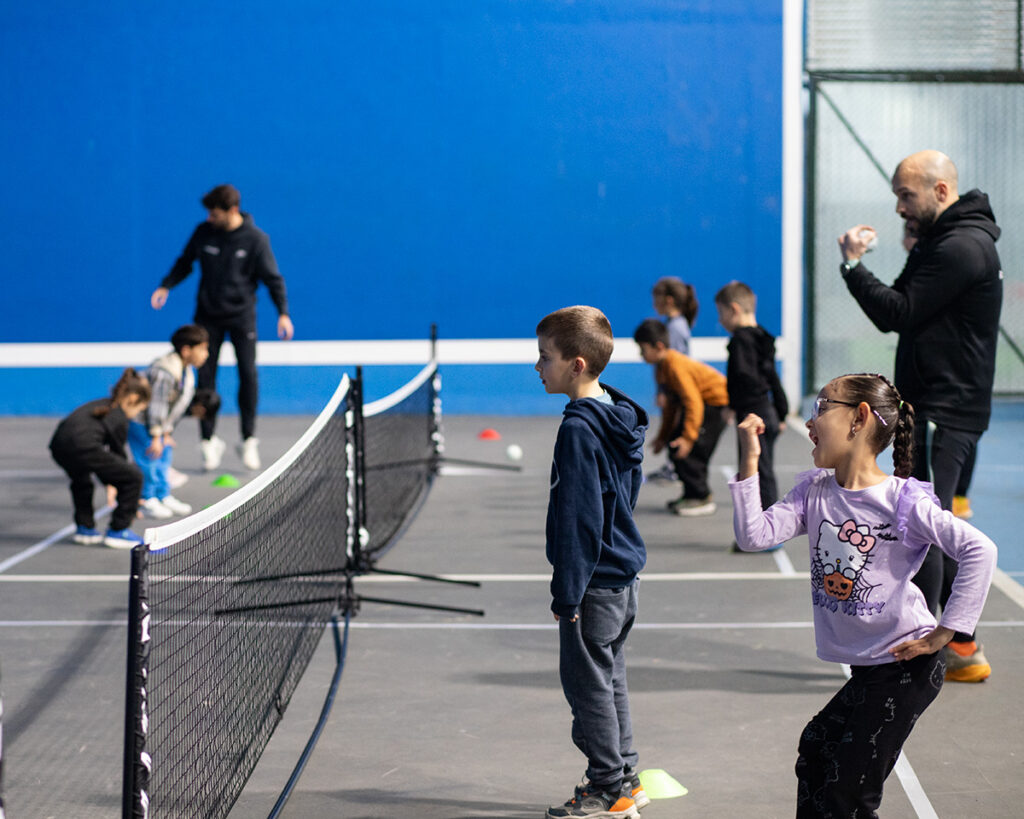
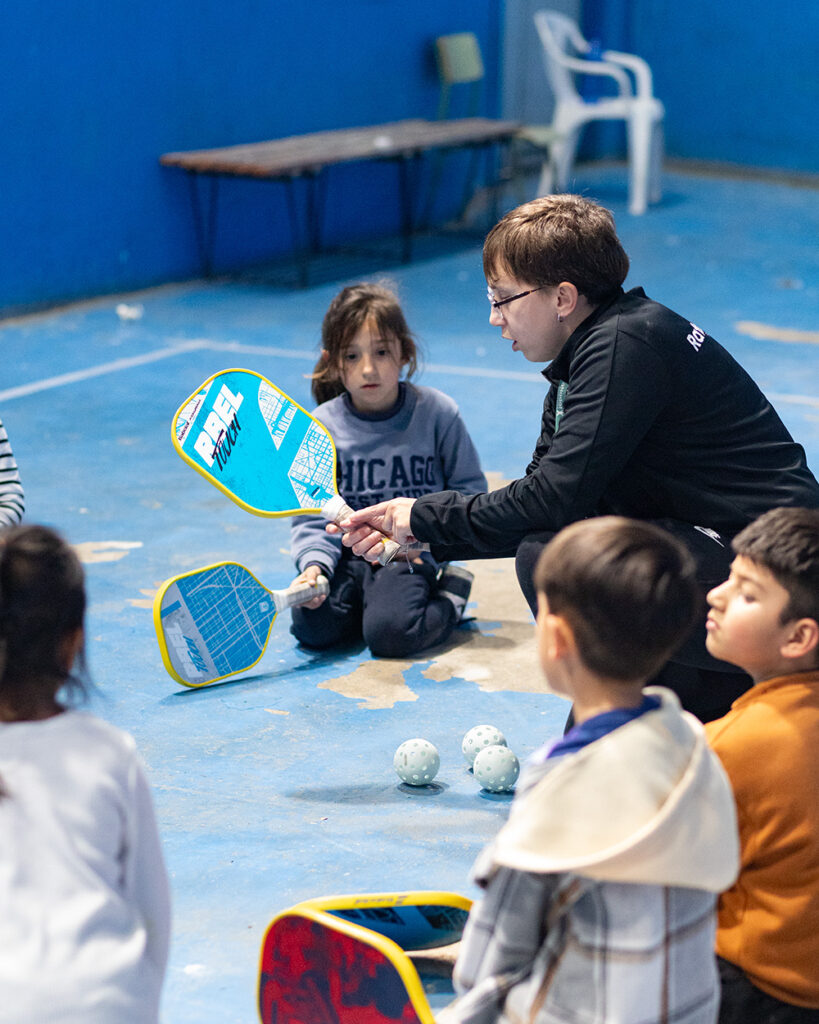
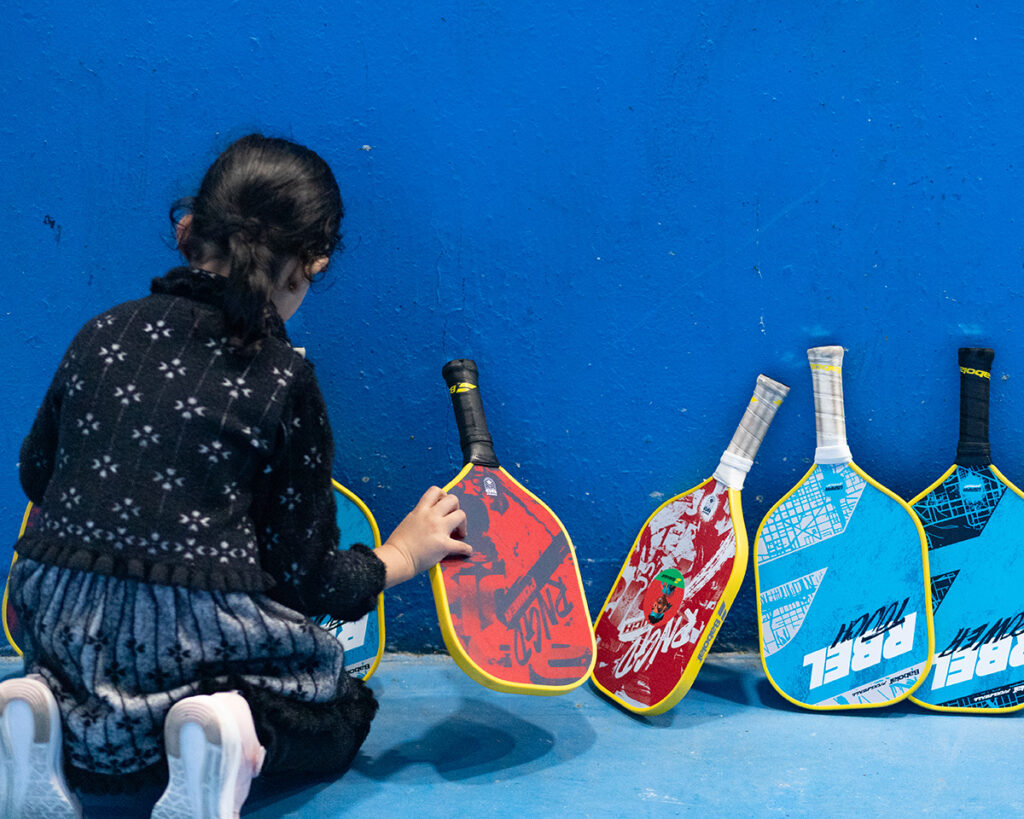
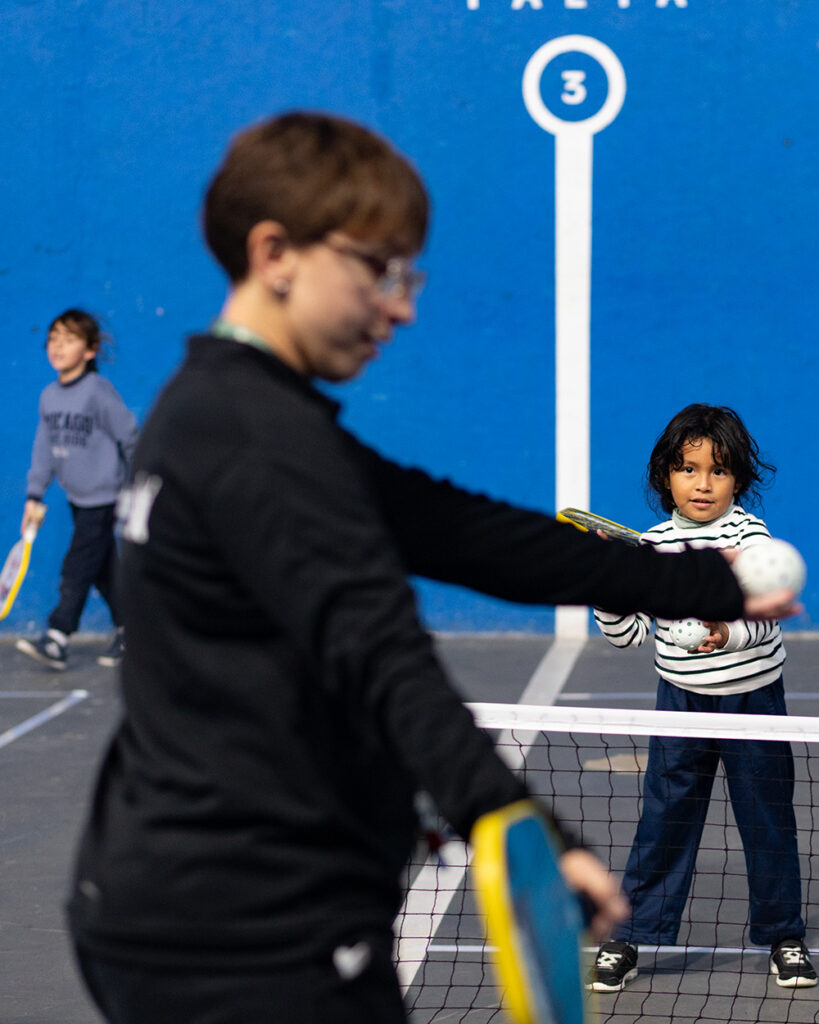
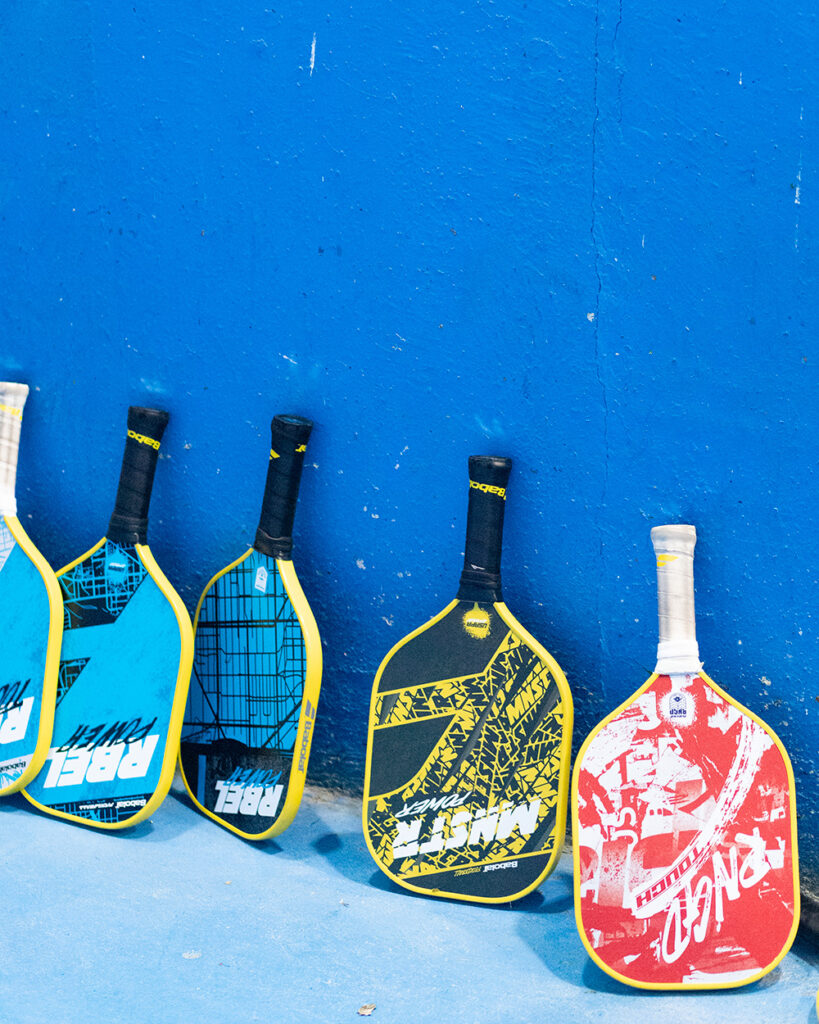
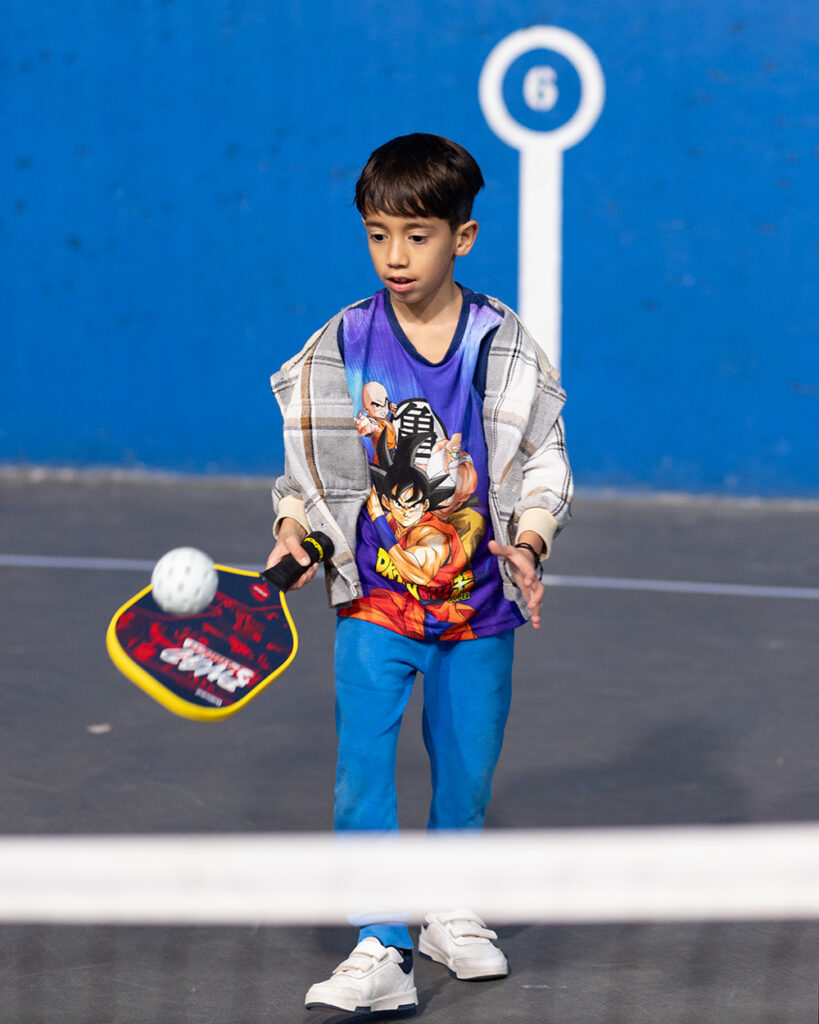
Pickleball is a paddle sport that combines elements of tennis, padel, badminton and table tennis. It is played with a solid paddle and a lightweight perforated ball, on a smaller court with a net similar to a tennis net, although slightly lower.
It can be played in singles or doubles format, and its simple rules make it easy for participants to quickly understand the game and start enjoying it from the very first sessions.
How is it played?
The objective is to hit the ball over the net into the opponent’s court, respecting an area close to the net known as the “non-volley zone,” which prevents players from smashing the ball directly from that space. This rule introduces an interesting technical and strategic component: success depends not only on power, but also on placement, control and anticipation.
The pace of the game is quick and encourages continuous rallies, keeping participants active and focused throughout the session.
Why is it an interesting educational tool?
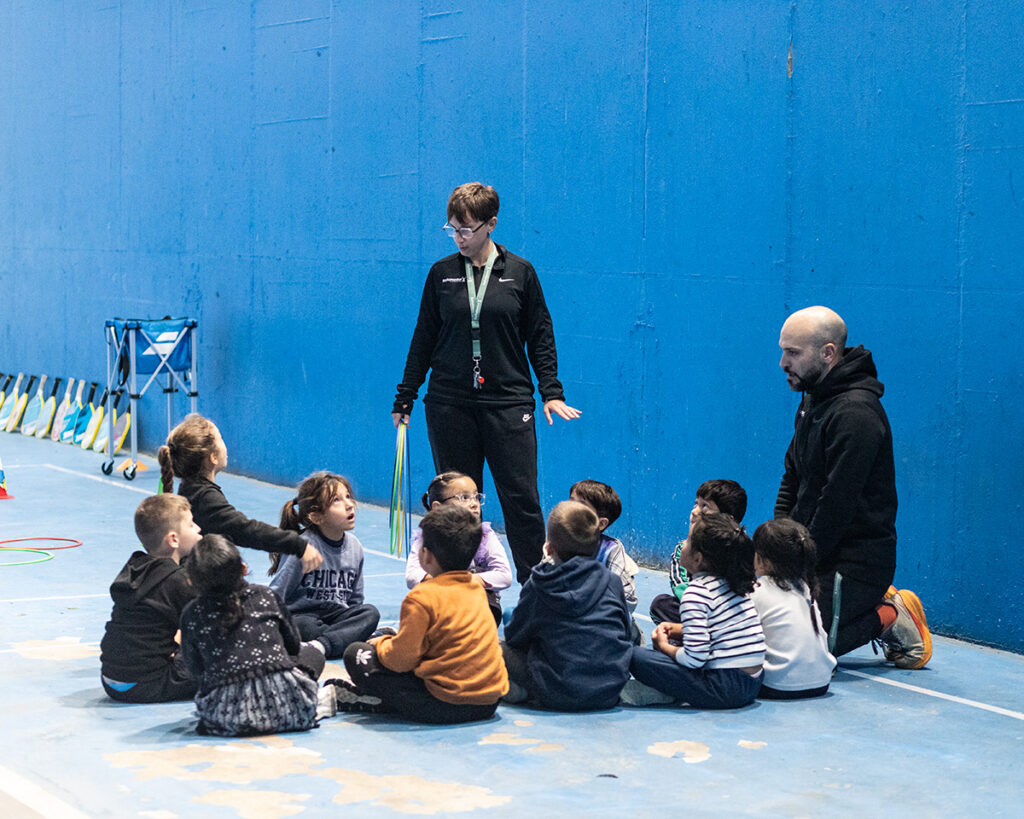
Pickleball fits perfectly within our centres’ intervention model, as it allows multiple skills to be developed through a fun and motivating activity.
Since it is relatively new for many participants, everyone starts at a similar level, which supports progressive learning. The dynamics of the game require attention, coordination and the ability to constantly adapt to each point.
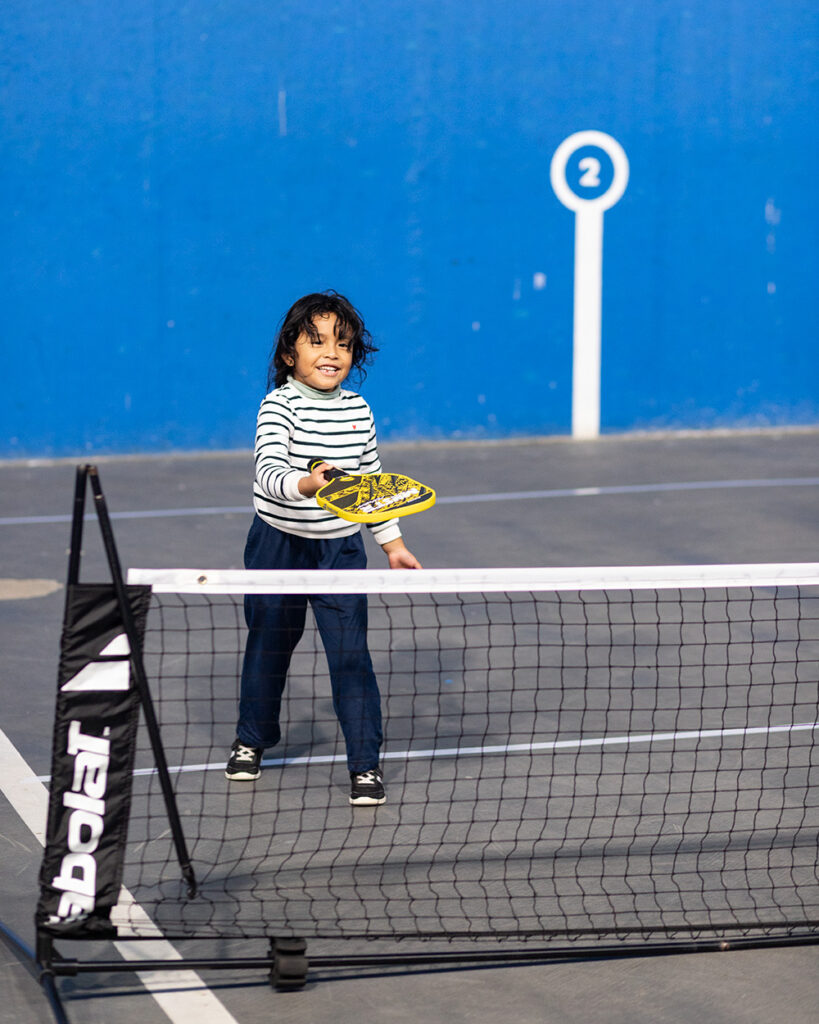
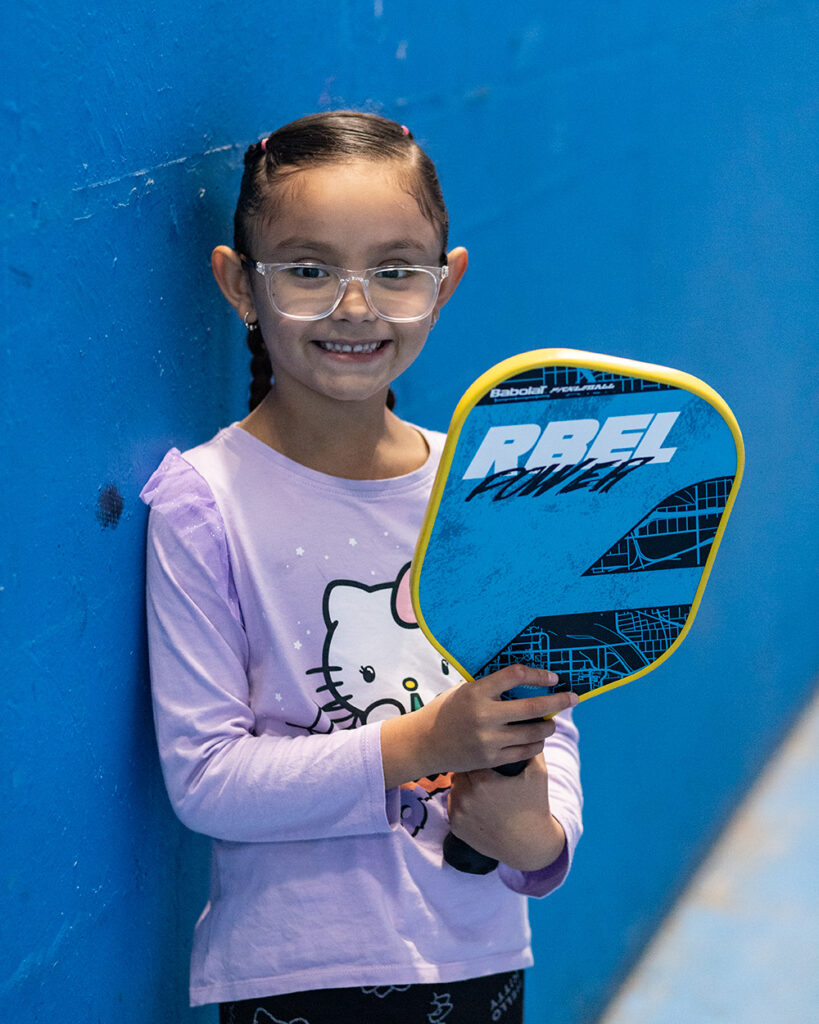
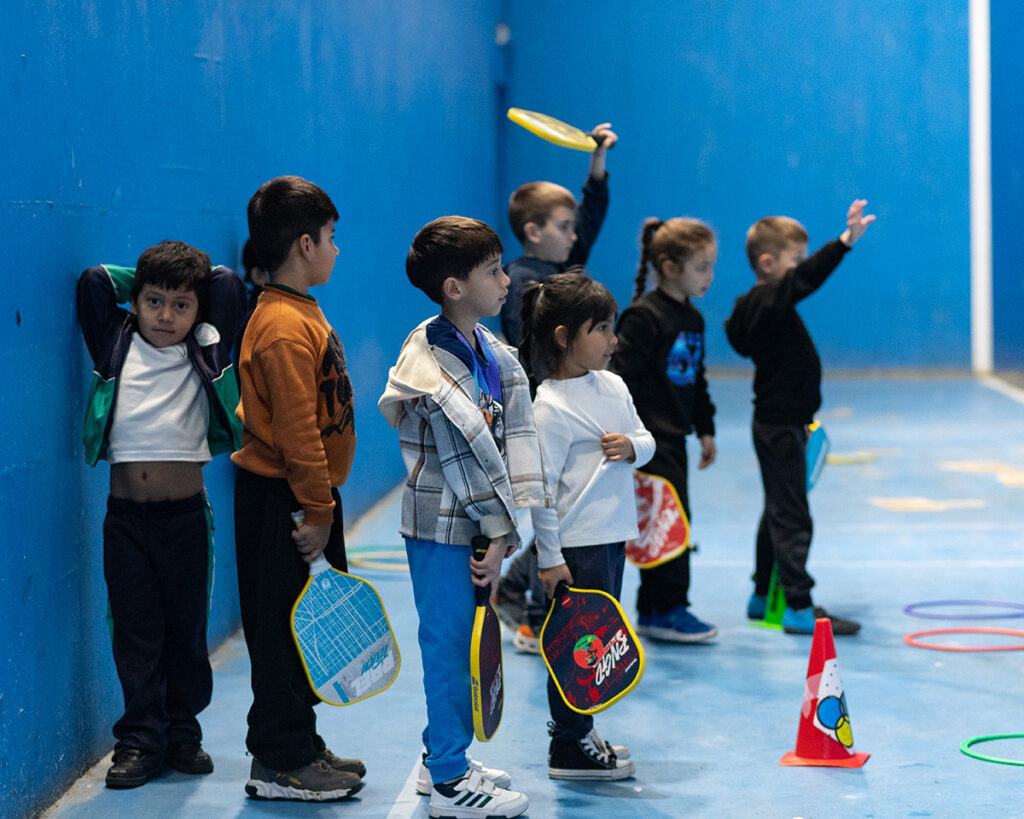
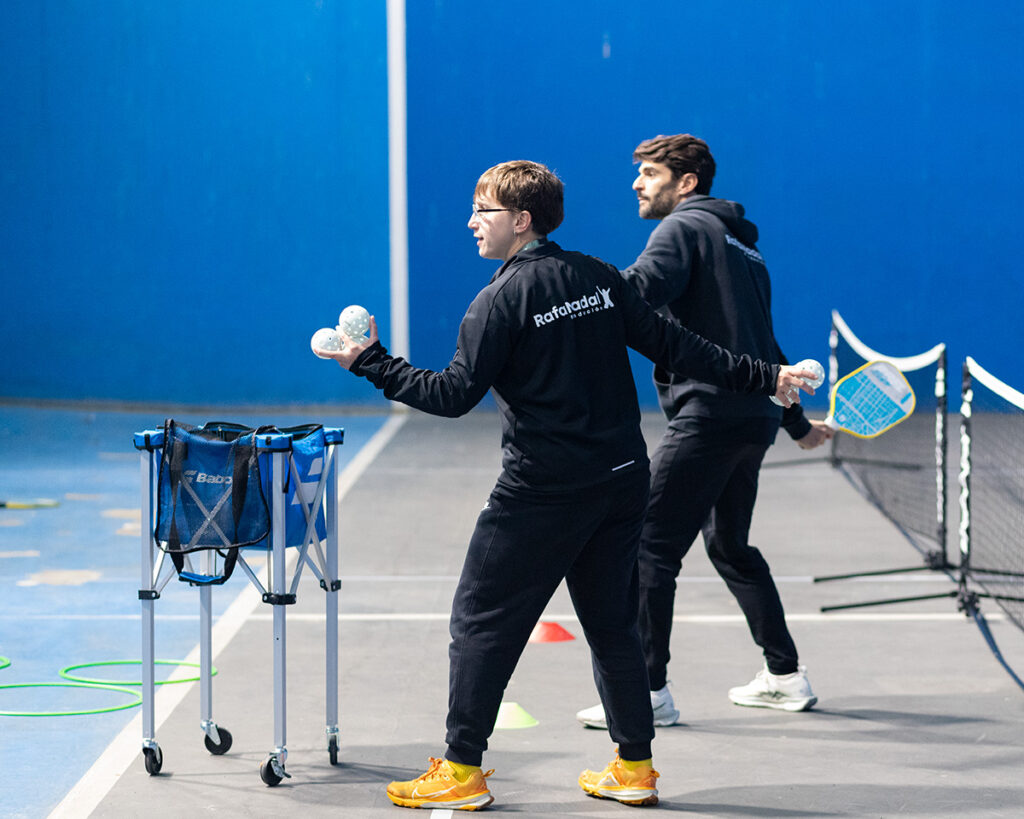
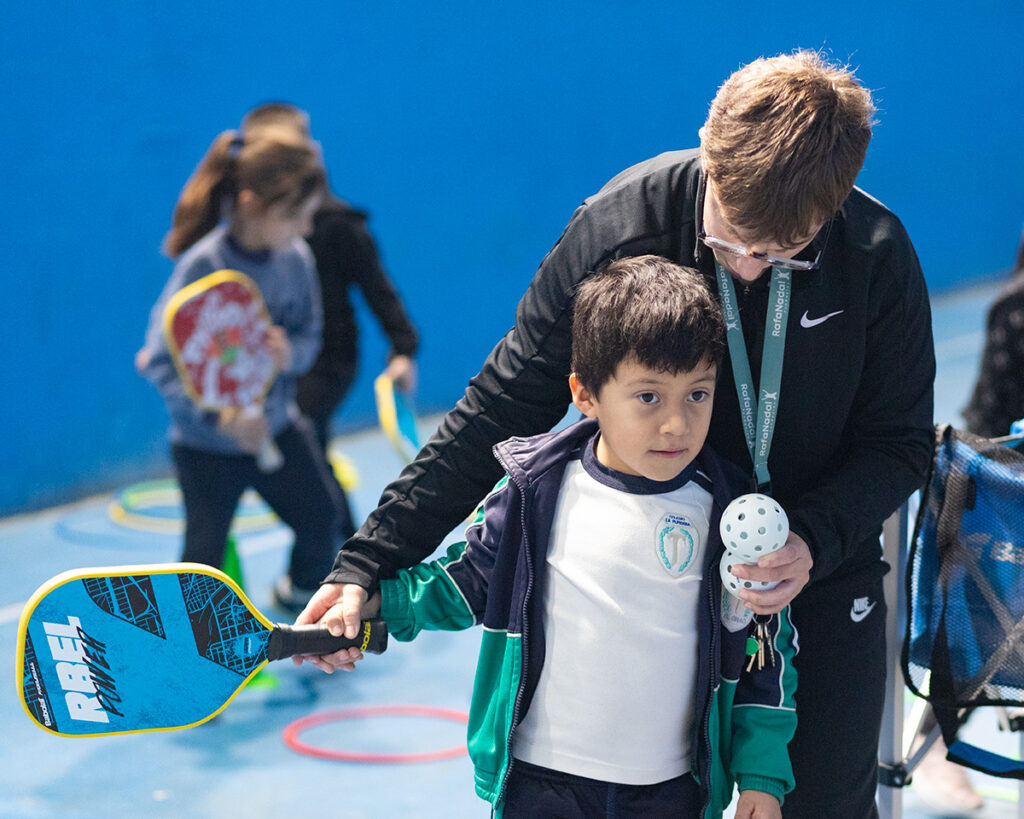
The doubles format, very common in our sessions, encourages communication and organisation between teammates, while singles play enhances autonomy and responsibility on court:
- Encourages respect and fair play by requiring honesty in applying the rules.
- Promotes teamwork, especially in doubles.
- Develops communication, as coordination with a partner is essential.
- Strengthens concentration and decision-making in a fast, strategic environment.
- Promotes equality and inclusion, as boys and girls of different ages and levels can play together.
A fun challenge for children and teenagers
One of the most remarkable aspects of pickleball is that it presents an achievable challenge. After just a few sessions, participants are able to sustain long rallies and play full matches, creating an immediate sense of progress.
Each technical improvement (a more accurate serve, better positioning on court or greater rally consistency) becomes a small achievement that boosts motivation. The dynamic nature of the sport, combined with its strategic component, makes every point different and keeps interest high from start to finish.

Positive impact on development
Regular pickleball practice provides clear benefits in different areas:
Physical development
- Improves hand-eye coordination.
- Increases agility and reaction speed.
- Enhances endurance and overall fitness.
- Stimulates body control and balance.
Cognitive development
- Strengthens concentration and sustained attention.
- Improves decision-making in changing situations.
- Develops anticipation and strategic thinking skills.
Social development
- Encourages positive interaction among peers.
- Promotes collaboration in doubles play.
- Reinforces coexistence through shared play.
In short, pickleball has become a well-rounded sports activity within the Centres of the Fundación Rafa Nadal.